
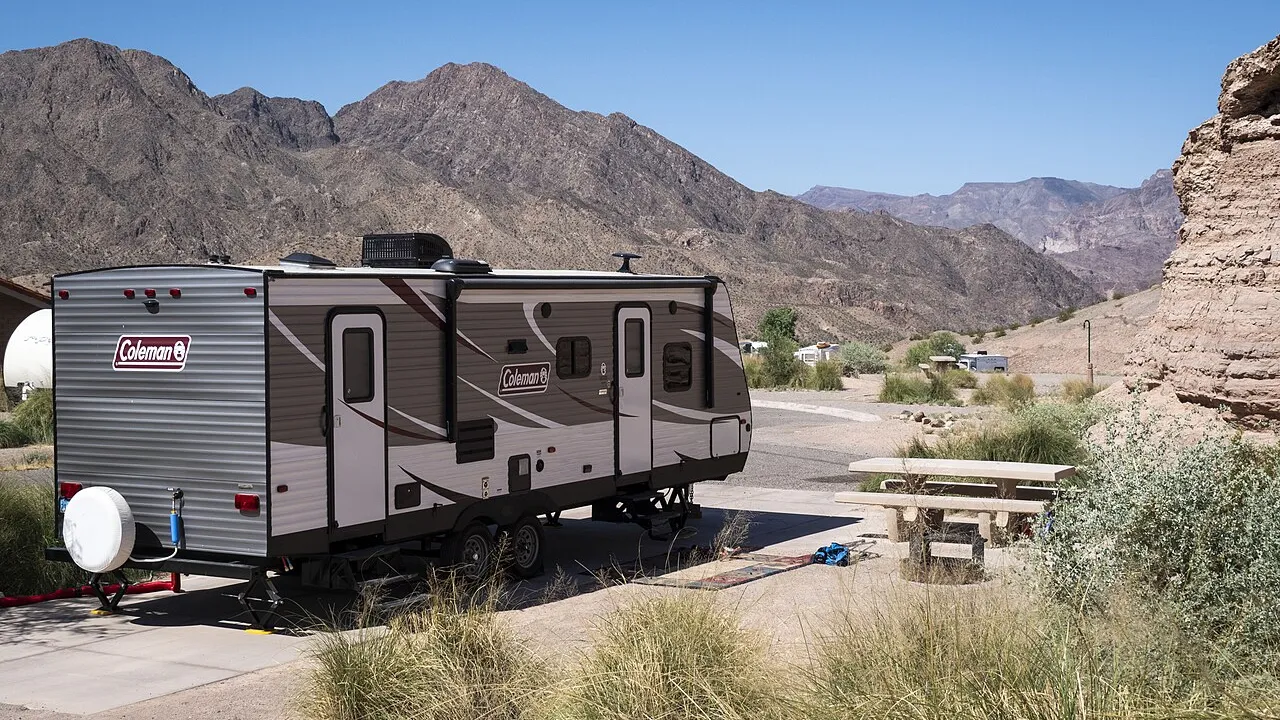
How a mobile home park earns money, and why lenders like it
In a typical park, the residents own their homes and rent the land under them. The park owner collects lot rent and maintains the roads, utilities and common areas. Moving a manufactured home is costly, so residents tend to stay for years, and turnover is low.
For a lender, that means steady income and low operating costs, because the owner does not maintain the homes. The difficult part is everything that departs from that simple model: homes owned by the park, private utility systems, empty lots and older infrastructure. Most of this guide is about those items.
Who lends on mobile home parks
| Lender | Parks they fit | What to expect |
|---|---|---|
| Banks and credit unions | Small to mid-size parks, local buyers | Recourse, five to ten year terms |
| Fannie Mae and Freddie Mac | Stabilized, better-quality communities | Non-recourse, long terms, strict standards |
| CMBS lenders | Stabilized parks, including some agency turns down | Non-recourse, fixed rate, reserves |
| Bridge and private lenders | Low occupancy, heavy repairs, turnarounds | Short term, higher cost |
| Seller financing | Small or rough parks banks avoid | Negotiated terms, often a balloon |
Both agencies have dedicated manufactured housing community programs, and for a park that qualifies they usually offer the longest terms and most competitive pricing. They also have property standards a small or older park may not meet. Fannie Mae and Freddie Mac multifamily loans explained describes how agency lending works in general.
Local banks finance the largest number of parks, because many parks are small. Seller financing is also more common here than in other property types: long-time owners often carry a note for a buyer, especially on parks that need work. SBA loans are generally not a fit, since renting residential lots is treated as passive real estate, not an operating business.
What lenders underwrite on a park
- Lot rent and occupancy. The number of lots, how many are occupied and paying, and the lot rent compared with other parks in the area.
- Tenant-owned and park-owned homes. Lenders prefer parks where residents own their homes. Homes owned by the park are personal property that wears out, needs repair and can be moved, so most lenders give little or no credit for the extra rent they bring in.
- Utilities. City water and sewer are the standard. Private wells, septic systems, lagoons and treatment plants add cost and regulatory risk, and some lenders will not accept them.
- Who pays for utilities. Lenders prefer that residents are billed for their own water, sewer and trash. A park that pays all utilities has costs that can rise faster than rent.
- Infrastructure. Roads, water and sewer lines, electrical pedestals and drainage. Underground lines in older parks are a known source of large repair bills.
- Location and risk. Flood zone status, local housing demand, and any local rent control or lot rent rules.
The park-owned home issue changes the loan amount more than buyers expect. Say a park has 100 lots, 80 of them occupied, at a lot rent of $500 a month. Lot income is 80 times $500 times 12, or $480,000 a year. Now say 20 of those 80 homes belong to the park and rent for $900 a month: $500 for the lot and $400 for the home. The home rent adds $96,000 a year (20 times $400 times 12) to what the seller reports.
Most permanent lenders size the loan on the $480,000 and leave out the $96,000, or count a small part of it. They also expect the costs of maintaining those homes to be shown separately. If your offer price is based on the full income, the loan will come in lower than you planned. How lenders calculate NOI explains this kind of adjustment.
Loan options by park condition
- Stabilized park, public utilities, mostly tenant-owned homes. The widest choice: agency, CMBS or bank debt. Non-recourse is available at larger loan sizes.
- Stabilized small park. A bank or credit union loan with a personal guarantee, typically a five to ten year term on a longer amortization.
- Park with many park-owned homes. Banks and some CMBS lenders, at a loan amount based on lot rent. A plan to sell the homes to residents over time helps.
- Park with vacancy or deferred repairs. A bridge loan, private lender or seller note, followed by a refinance once lots are filled and repairs are done.
- Park with private utilities. Fewer lenders. Expect requests for inspection reports, permits and operating history of the systems.
The sizing tests are the same as for apartments. Lenders commonly want a DSCR of about 1.25x on a stabilized park and cap the loan at a share of appraised value. See DSCR explained for the calculation. For turnaround parks, commercial bridge loans explained covers the short-term loan and the refinance that follows.
What makes a park easier or harder to finance
Easier:
- High occupancy with a stable payment history.
- Nearly all homes owned by residents.
- City water and sewer, billed to residents.
- Paved roads, off-street parking, homes in good condition.
- A location near jobs in a market where housing is in demand.
- A buyer with park experience or a professional manager.
Harder:
- Many vacant lots, or lots too small for current homes.
- A large share of park-owned homes, especially older ones.
- Private water or sewer systems, or a master-metered utility with no billing to residents.
- Part of the park in a flood zone.
- Poor records: rent collected in cash, no rent roll, no lot leases.
- A large share of RV or short-stay sites, which lenders treat as less stable income.
Poor records are the most fixable item. Many parks are sold by long-time owners with informal books. Build a clean rent roll listing every lot, the home's owner, the rent and the payment status, and back it with bank deposits. That alone moves a park from unfinanceable to financeable with a local bank. How lenders read a rent roll and a T-12 shows what they check.
Where CREaiD fits
Parks vary so much that lender fit is specific: one lender wants only large communities on city utilities, another is fine with a small park on septic. CREaiD's Lender Matchmaker lets you describe the deal and get lenders that fit from a database of 1,500+ commercial real estate lenders, including banks, credit unions, agency lenders and private lenders. You can also upload deal data for a quick investment analysis before you make an offer.
Lender standards for parks differ and change, so confirm the terms with the lender and your own counsel.

Brian Gramlich is the CEO and founder of Terrydale Capital, a commercial real estate finance firm based in Dallas, Texas, and the founder of CREaiD.
Key takeaways
- Lenders size mobile home park loans mainly on lot rent and give little credit for rent from park-owned homes.
- Fannie Mae and Freddie Mac both finance manufactured housing communities that meet their standards.
- Public water and sewer open the most lender options, and private systems narrow them.
- Parks with vacancy, deferred repairs or weak records usually start with a bridge loan, a local bank or seller financing.
Questions people ask
Why do lenders discount income from park-owned homes?
A park-owned home is personal property that depreciates, needs repairs and can be removed. Lenders want the loan supported by income tied to the land, which is lot rent. Some will count part of the home income, but few count all of it.
Can I get a non-recourse loan on a mobile home park?
Yes, on stabilized parks through agency and CMBS lenders, usually above a minimum loan size that small parks may not reach. Bank loans on smaller parks normally come with a personal guarantee.
Is seller financing a good idea for a park?
It can be the only practical option for a park with low occupancy, poor records or old infrastructure. It often closes faster and with fewer conditions. Check the balloon date carefully and make sure you can qualify for a bank or agency refinance before it comes due.
Do lenders finance parks with septic systems or wells?
Some do, mainly local banks and certain CMBS and private lenders. They will ask for inspections, permits and repair history. Expect a shorter list of lenders and possibly a lower loan amount than for a similar park on city utilities.
How is an RV park different from a mobile home park for lending?
An RV park with short stays behaves more like a hospitality business: income changes with the season and with travel demand. Lenders underwrite it more cautiously than a park of long-term residents. A park with a mix will have its long-term lots and its short-stay sites treated differently.
CREaiD shows the lenders that really made your kind of loan in your state, from public loan records.