
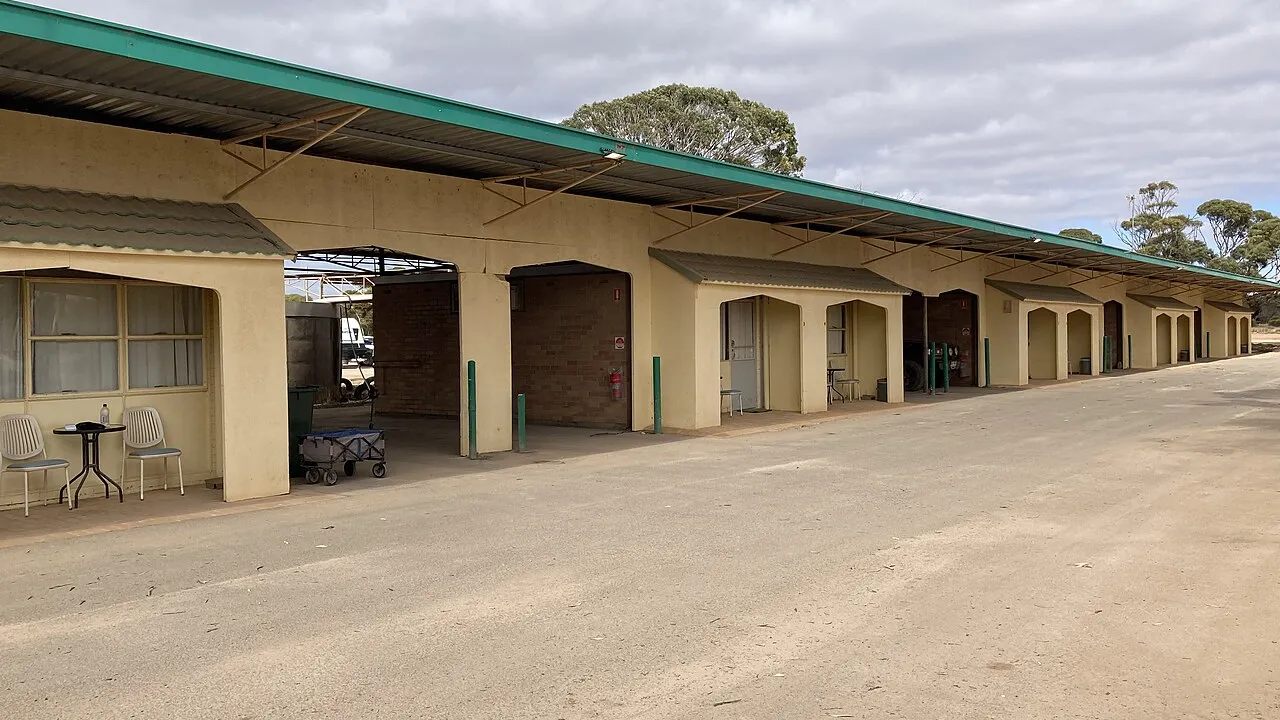
Why hotels are underwritten differently
An apartment building has one-year leases. A shopping center has leases of five or ten years. A hotel re-rents every room every night. Income can change quickly with the local economy, new competing hotels, the season, or a change of brand or manager.
A hotel also has high operating costs: staff, franchise fees, booking commissions, utilities and constant wear on rooms. A small drop in revenue causes a larger drop in profit. Lenders answer that risk with more cushion: lower loan amounts, higher coverage, and reserves for renovation and slow seasons.
Who lends on hotels
| Lender | Best fit | What to expect |
|---|---|---|
| Banks and credit unions | Branded select-service hotels, local owners | Recourse, five to ten year terms |
| SBA lenders | Owner-operated hotels, smaller loans | Higher loan-to-value, long amortization |
| CMBS lenders | Stabilized hotels with steady history | Non-recourse, reserves, cash management |
| Debt funds and bridge lenders | Renovation, rebranding, recovery | Floating rate, short term, higher cost |
| Life insurance companies | Large, high-quality hotels | Low loan-to-value, very selective |
SBA loans are a large part of hotel lending because many hotels are run by their owners. SBA 7(a) has a loan maximum of $5 million. SBA 504 is typically structured about 50% bank, 40% CDC and 10% borrower, though hotels are often treated as special-purpose property, which raises the borrower's share. See SBA 504 vs. SBA 7(a) for commercial real estate.
Fewer lenders make hotel loans than apartment or industrial loans, and many that do stick to certain brands, sizes or regions. Finding the ones that want your type of hotel is a large part of the job.
The numbers lenders look at
Three numbers describe a hotel's top line:
- Occupancy. Rooms sold divided by rooms available.
- ADR (average daily rate). Room revenue divided by rooms sold.
- RevPAR (revenue per available room). ADR times occupancy, or room revenue divided by rooms available.
A worked example. Say a 100-room hotel runs at 70% occupancy with an ADR of $120. RevPAR is $120 times 0.70, or $84. Over a year there are 36,500 available room nights (100 rooms times 365), so room revenue is 36,500 times $84, or $3,066,000. Lenders compare these numbers with the hotel's competitive set, a group of similar nearby hotels, using a third-party benchmarking report. A hotel that earns more RevPAR than its competitors is well run or well located. One that earns less needs an explanation.
Then the lender builds its own net cash flow from the trailing 12 months. Two deductions surprise new owners. First, a management fee, commonly around 3% of revenue, even if you manage the hotel yourself. Second, a reserve for furniture, fixtures and equipment (FF&E), commonly about 4% of total revenue. On $3,500,000 of total revenue, a 4% FF&E reserve is $140,000 a year taken out before the loan is sized.
On that reduced cash flow, lenders commonly want a DSCR of about 1.40x or more, compared with roughly 1.20x to 1.25x on stabilized multifamily. Conventional loan-to-value commonly runs about 55% to 65%. Many lenders also apply a minimum debt yield. See DSCR explained and debt yield explained for how those tests set the loan amount.
The brand, the PIP and the operator
Three things outside the financial statements carry a lot of weight.
- The franchise agreement. Most lenders prefer a hotel under a national brand, because the brand brings a reservation system and loyalty members. They check how long the franchise agreement runs. An agreement that ends before the loan matures is a problem, and the lender will ask for a comfort letter from the brand.
- The property improvement plan (PIP). When a hotel is sold or a franchise is renewed, the brand usually requires renovations to meet current standards. The lender wants the PIP budget, the schedule, and proof the money is there. It is often held in a reserve at closing or included in the loan.
- The operator. Lenders want an owner or management company with a record at similar hotels: same service level, similar size, ideally the same brand family.
Independent and boutique hotels can be financed, but by fewer lenders. They look for a long operating history, strong direct bookings and a location that does not rely on a brand to fill rooms.
What makes a hotel deal harder or easier
Easier to finance:
- A select-service or extended-stay hotel under a strong national brand.
- Three years of steady or rising revenue and RevPAR at or above the competitive set.
- Several sources of demand: business travel, leisure, a hospital, a university, a highway.
- A completed renovation, with no large PIP ahead.
- An experienced operator with cash left after closing.
Harder to finance:
- Exterior-corridor, older or economy hotels, which many lenders avoid.
- A market that depends on one employer, one event or one season.
- New competing hotels opening nearby.
- A large PIP with no clear funding.
- A franchise agreement near its end, or a change of brand.
- Full-service hotels with large food, beverage and meeting operations, which are harder to run and to underwrite.
- A first-time hotel owner with no operating partner.
Seasonal hotels get one more feature: a seasonality reserve. The lender collects extra cash in strong months so the loan payment is covered in weak ones. A hotel that needs renovation or rebranding before it performs is a bridge loan candidate. The lender funds the purchase and the work, and you refinance once the new numbers hold. Read commercial bridge loans explained and CMBS loans explained to see how the short-term and permanent pieces connect. For a new hotel, see how commercial construction loans work.
Where CREaiD fits
Hotel lenders are a short list, and each has its own view on brand, size and market. CREaiD's Lender Matchmaker lets you describe your hotel deal and get lenders that fit from a database of 1,500+ commercial real estate lenders, including banks, credit unions, private lenders and hard money. The Insights tool gives current debt financing market insights by location and asset type, and you can upload deal data for a quick investment analysis.
Hotel loan terms depend heavily on the property and the lender, so confirm them with the lender and your own counsel.

Brian Gramlich is the CEO and founder of Terrydale Capital, a commercial real estate finance firm based in Dallas, Texas, and the founder of CREaiD.
Key takeaways
- Lenders treat a hotel as an operating business, so they want more cushion than on other property types.
- Occupancy, ADR and RevPAR against the competitive set are the first numbers a hotel lender checks.
- Lenders deduct a management fee and an FF&E reserve before sizing the loan, even if you do not pay them today.
- The franchise term and the PIP budget can decide whether a hotel loan closes.
- SBA loans are a common route for owner-operated hotels.
Questions people ask
How much down payment do I need to buy a hotel?
With a conventional bank or CMBS loan, commonly 35% to 45% of the price, since loan-to-value often runs about 55% to 65%. SBA loans can require less. You also need cash for the PIP, closing costs and working capital.
Can a first-time owner get a hotel loan?
It is possible, mostly through SBA lenders and banks, but lenders will want hotel experience somewhere in the deal. That can be a partner who has owned hotels or a professional management company with a record in the brand. Related experience, such as managing a hotel for someone else, helps.
Do lenders finance independent hotels with no brand?
Some do. They look for a long operating history, strong online reviews and direct bookings, and a location with its own demand. Expect fewer lenders and somewhat lower loan amounts than for a comparable branded hotel.
What is a PIP and who pays for it?
A property improvement plan is the list of renovations a brand requires for a hotel to keep or receive its flag. The owner pays. Lenders want the cost funded at closing, through equity, loan proceeds or a reserve.
Why do lenders use the trailing 12 months and not my projection?
Hotel income moves quickly, so recent actual results are the best evidence of what the property earns. Permanent lenders size loans on the trailing 12 months, sometimes adjusted for clear trends. Projections matter mainly for bridge and construction loans.
CREaiD shows the lenders that really made your kind of loan in your state, from public loan records.