
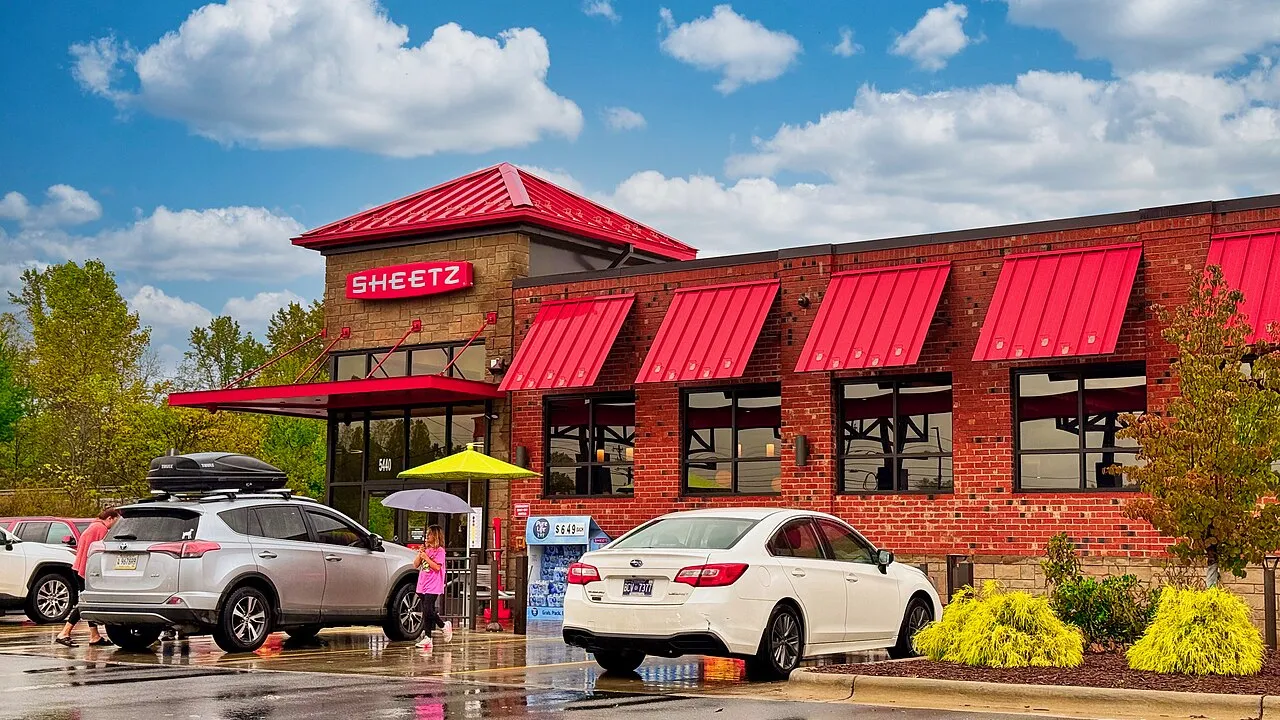
Why are gas stations and car washes harder to finance?
A lender looking at an apartment building sees rent from many tenants and a building anyone can use. A gas station or car wash is a special-purpose property, which means the building and equipment are built for one use and are costly to convert to anything else. If the business fails, the lender cannot easily lease the site to a different kind of tenant.
That changes the whole loan. The lender is financing an operating business and the real estate together, and it worries about four things:
- Cash flow from operations. Loan payments come from fuel, store or wash sales, not from rent.
- The operator. A buyer with no experience in the business is a harder approval.
- Environmental risk. Fuel tanks, oil and wash chemicals can contaminate soil and groundwater.
- Resale value. The appraisal depends on the business's earnings, so a weak year lowers the property value too.
Because of this, many lenders decline these properties outright. The ones that say yes tend to specialize, and many use the SBA programs to reduce their risk.
Which loans work for a gas station or car wash?
| Loan type | Best for | Typical down payment | Things to know |
|---|---|---|---|
| SBA 7(a) | Buying a business with real estate, equipment and goodwill in one loan | Commonly 10% to 20% | Loan maximum of $5 million, terms up to 25 years when real estate is the main collateral, rate often floating |
| SBA 504 | Buying or building the real estate and long-life equipment | Commonly 15% for special-purpose property, 20% if the business is also new | Bank first loan plus a fixed-rate second loan through a certified development company |
| Conventional bank loan | Experienced operators with strong financials and more cash | Commonly 25% to 35% | Shorter terms, often 5 to 10 years with 15 to 20 year amortization |
| Private or hard money | Fast closings, turnarounds, credit problems | Commonly 35% or more | Short term and expensive, needs a clear exit to a bank or SBA loan |
Both SBA programs require the business to occupy the property. The SBA 7(a) program is the most flexible because one loan can cover the land, building, equipment, inventory, working capital and goodwill (the part of the price paid for the business's earnings above the value of its hard assets). The SBA 504 program is typically structured as about 50% from a bank, 40% from a certified development company and 10% from the borrower, and the borrower's share commonly rises to 15% for a special-purpose property such as a station or wash. The two are compared in SBA 504 vs 7(a) for commercial real estate.
If you are buying only the real estate and leasing it to an operator, the SBA programs do not fit, and you are looking at a conventional investment loan. Those are underwritten on the lease and the tenant, as described in retail property financing.
How do lenders underwrite a gas station?
Lenders start with three years of business tax returns and year-to-date financials, then rebuild the cash flow. The key figure is EBITDA, which is earnings before interest, taxes, depreciation and amortization, adjusted for a fair owner salary. That figure is divided by the yearly loan payments to get the debt service coverage ratio (DSCR). SBA lenders commonly want at least about 1.15x to 1.25x, and many want more for a first-time operator. The ratio is explained in DSCR explained.
What the underwriter looks at in a station:
- Fuel volume. Gallons sold per month over several years, and whether the trend is flat, rising or falling.
- Fuel margin. Profit per gallon is thin and swings with wholesale prices, so lenders use an average, not the best year.
- Inside sales. Store, food and beverage sales usually carry much higher margins than fuel and often produce most of the profit.
- Fuel supply agreement. The contract with the fuel supplier: branded or unbranded, years remaining, volume commitments and any money owed back to the supplier if the contract ends early.
- Tanks and dispensers. Age, material, leak detection, compliance records and remaining useful life.
- Competition and access. Traffic counts, corner position, visibility and any new competitor nearby.
Clean books matter more here than in almost any other property type. A station with significant unreported cash sales cannot use that income to qualify, because lenders count only what the tax returns and financial statements show.
How do lenders underwrite a car wash?
Car washes come in three main forms, and lenders view them differently. A self-serve wash has bays where customers wash their own cars. An in-bay automatic washes one parked car at a time. An express tunnel pulls cars through on a conveyor and can handle high volume with few staff.
- Car counts. Washes per month and per year, by wash package.
- Membership revenue. Monthly subscription plans smooth out weather and are viewed favorably, if the numbers are documented.
- Weather and season. Lenders average several years because rain, drought and winter change volume.
- Equipment age. Tunnel equipment is expensive and wears out, so lenders ask about remaining life and maintenance.
- Water and sewer costs. Utility bills, reclaim systems and local discharge rules.
- New competition. A new express tunnel a mile away can pull volume from an older wash.
For a new wash built from the ground up, the lender has no history to review. Expect a request for a feasibility study, a detailed projection, more cash in the deal and proof of your experience or a strong management plan.
Environmental reports: what will the lender require?
No lender closes a gas station loan without environmental work. A Phase I environmental site assessment is a records review and site inspection that looks for signs of contamination. A Phase II takes soil and groundwater samples. For a station with underground tanks, expect a Phase I at minimum, and often tank and line tightness testing or a Phase II as well.
Car washes usually get a Phase I, with more testing if the site once sold fuel, did oil changes or sits near a dry cleaner or old station. Be ready to provide:
- Tank registration, installation dates and compliance inspection records
- Leak detection and monitoring reports
- Proof of tank pollution insurance or enrollment in a state tank fund, where one exists
- Any closure letters from the state for past spills or removed tanks
A contaminated site is not always a dead deal. A site with a known, managed issue, a responsible party paying for cleanup and a closure path may still be financeable, but it takes longer. Order the environmental work early, because it sets the closing timeline. The full list of reports is in appraisals, environmental reports and other third-party reports.
A worked example: buying a station with an SBA 7(a) loan
Say you agree to buy a gas station with a convenience store for $2,500,000. The price covers the land and building, the tanks and equipment, and goodwill. Inventory is bought separately with your own cash.
- Down payment. The lender asks for 15% down: $2,500,000 times 15% is $375,000.
- Loan amount. $2,500,000 minus $375,000 is $2,125,000.
- Payment. At a hypothetical 8% rate over 25 years, the payment is about $16,400 a month, or about $197,000 a year.
- Cash flow. The station's adjusted EBITDA, after paying you a fair salary, is $280,000.
- Coverage. $280,000 divided by $197,000 is about 1.42x, comfortably above a 1.25x minimum.
Now stress it. Suppose fuel margins tighten and cash flow drops by $60,000 to $220,000. Coverage becomes $220,000 divided by $197,000, or about 1.12x, which is below what most lenders accept. That is why an underwriter averages several years of margins and why a deal that only works in the best year gets declined. It is also why keeping extra cash after closing matters: lenders commonly want to see working capital left over, not every dollar spent on the down payment.
For comparison, a conventional loan at 30% down would need $750,000 of cash, twice the SBA down payment. More on the cash side in how much down payment you need for a commercial property.
What to prepare before you call lenders
- Three years of business tax returns and financial statements from the seller, plus year-to-date numbers.
- Monthly fuel gallons and inside sales, or monthly car counts and membership numbers, for at least three years.
- The fuel supply agreement and any equipment leases or loans.
- Tank records, past environmental reports and insurance certificates.
- Your personal financial statement, three years of personal tax returns and a resume showing related experience.
- A purchase contract or letter of intent with the price broken into real estate, equipment, goodwill and inventory.
- A short business plan: who manages the site, what you will change and a 12-month projection.
Then choose lenders that already make these loans. A lender that closed several station or wash loans understands fuel contracts and tank rules, and a lender that has never done one will often decline after weeks of review. Public SBA records show which lenders are active, as covered in the most active SBA 504 lenders and SBA 7(a) real estate loans. Confirm all terms with the lender and your own attorney and accountant before you commit.
Where CREaiD helps
CREaiD's lender search is built on public loan records, including SBA loans. Pick the state, the kind of loan and the loan amount, and you see the lenders that made that kind of loan there. Before you send the request, the deal check shows your loan-to-value and debt coverage and flags what is weak.

Brian Gramlich is the CEO and founder of Terrydale Capital, a commercial real estate finance firm based in Dallas, Texas, and the founder of CREaiD.
Key takeaways
- Gas stations and car washes are special-purpose properties, so lenders finance the business cash flow and the real estate together.
- SBA 7(a) and SBA 504 loans are the most common financing, with down payments commonly between 10% and 20%.
- Lenders average several years of fuel margins or car counts and count only income shown on tax returns and financial statements.
- Environmental reports and tank records are required and often set the closing timeline.
- Lenders that already make these loans are far more likely to approve than general commercial lenders.
Questions people ask
How much down payment do I need to buy a gas station?
With an SBA loan, commonly 10% to 20% of the total project cost, depending on the program, your experience and whether the business is new. A conventional bank loan commonly needs 25% to 35%. Lenders also want to see cash left over for inventory and working capital.
Can I get an SBA loan for a car wash?
Yes. Car washes that the owner operates are commonly financed with SBA 7(a) and SBA 504 loans. The lender will want documented car counts and revenue for an existing wash, or a feasibility study and stronger cash and experience for a new one.
Do lenders finance gas stations with old underground tanks?
Some do, but the tanks get close attention. Expect tightness testing, a review of compliance records and questions about remaining tank life. A lender may require tank replacement, a reserve for it or pollution insurance as a condition of the loan.
What DSCR do lenders want for a gas station or car wash?
SBA lenders commonly want business cash flow of at least about 1.15x to 1.25x the yearly loan payments, and conventional lenders often want more. The ratio is figured on several years of results, after a fair salary for the owner.
Can I buy a gas station with no experience?
It is harder but possible. Lenders look for related management or retail experience, a larger down payment, a strong manager staying on or a transition period with the seller. A franchise or branded program with training also helps.
How long does a gas station loan take to close?
SBA and bank loans on these properties commonly take 60 to 90 days, sometimes longer. The environmental report, the appraisal of a business property and the SBA paperwork take the most time, so start the environmental work as soon as you have a contract.
CREaiD shows the lenders that really made your kind of loan in your state, from public loan records.